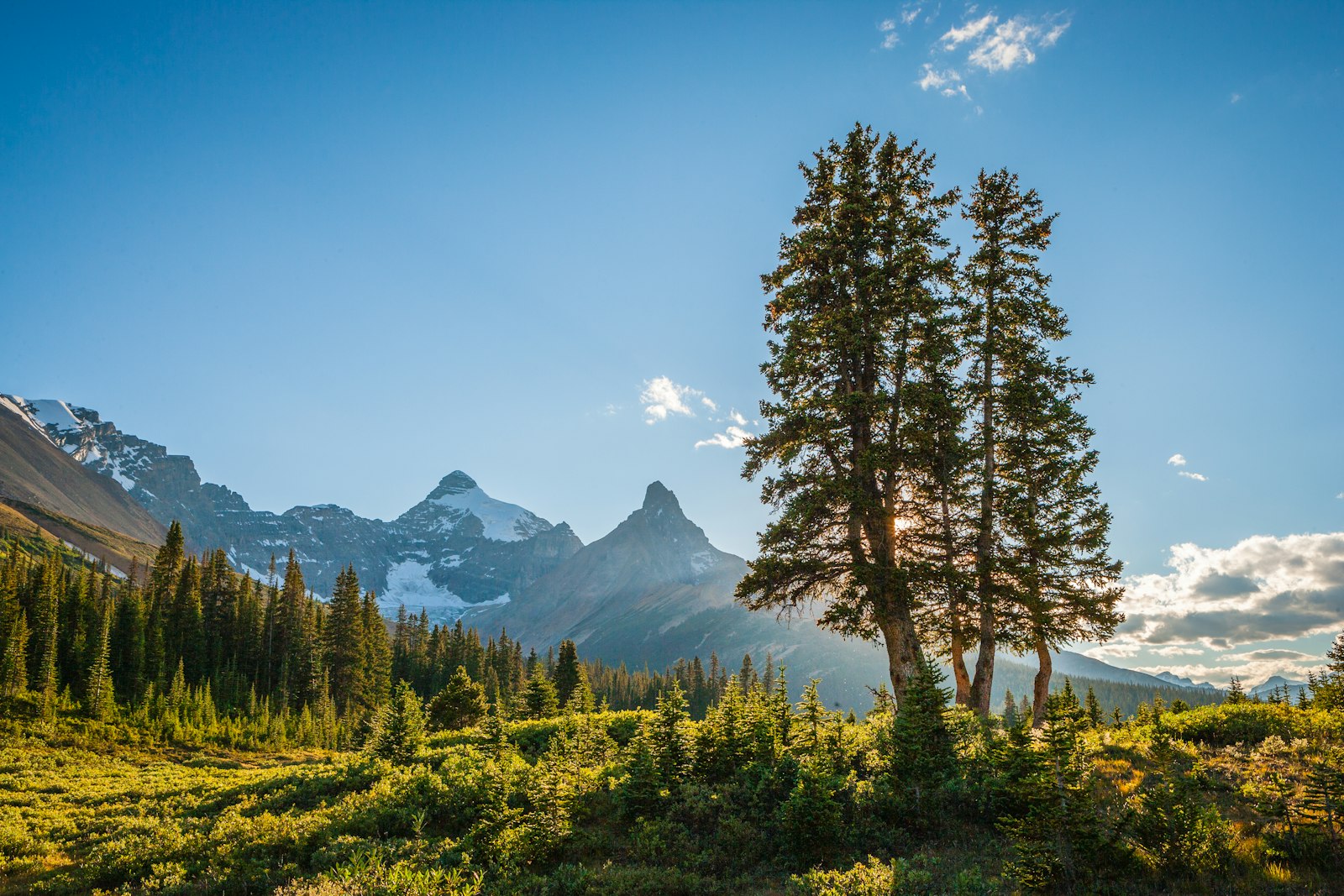
Ghorepani Poon Hill Trek
Nepal's most spectacular sunrise — Annapurna panorama at dawn
Overview
Poon Hill is Nepal's most beloved short trek — and if you have ever seen a photograph of a blazing orange sunrise silhouetting the Annapurna range and Dhaulagiri against a deep blue sky, there is a good chance it was taken from right here. Sitting at just 3,210 metres at its highest point, the Ghorepani Poon Hill Trek manages to pack more visual drama per kilometre than almost any trail in the Himalaya.
The route begins from Nayapul, a trailhead village a 1.5-hour drive from Pokhara, and immediately climbs into a world of moss-draped forests, cascading waterfalls, and traditional Gurung villages. The famous 3,000 stone steps from Tikhedhunga to Ulleri are the trek's early test — steep, unrelenting, and utterly worth every one. From Ulleri onwards the trail softens into a series of long traverses through some of Nepal's most spectacular rhododendron forests.
In spring (March–April), those rhododendrons — Nepal's national flower — explode into bloom: crimson, pink, and white carpeting the hillsides and filling the forest with colour. Trekkers in this season walk through a continuous living garden. In October and November, crystal-clear skies deliver the sharpest mountain views of the year. In winter (December–February), the trail takes on a magical quality with snow-dusted rhododendron branches and far fewer people — though the pre-dawn Poon Hill climb is genuinely cold.
Ghorepani village, the overnight base for the Poon Hill sunrise, is a well-established trekking hub with a wide range of teahouses ranging from basic to genuinely comfortable. The village itself is a Gurung settlement of traditional stone houses and the people are warm, hospitable, and accustomed to travellers. Evening meals in Ghorepani — dal bhat, hot soups, apple pie — are a genuine pleasure after a day's walking.
The 4 AM wake-up call for the sunrise hike will feel brutal when the alarm goes off. The 45-minute climb in the dark by headlamp is steep and cold. But the moment the first light touches the Annapurna South, Hiunchuli, Machhapuchhre (Fishtail), Dhaulagiri, and a dozen other peaks in a single sweeping panorama, everything else disappears. This is one of those travel experiences that genuinely lives up to every expectation.
For first-time Nepal trekkers, trekkers returning for a quick fix, or families with older children, Poon Hill is the definitive starting point. No special permits, no mandatory guide, no extreme altitude. Just extraordinary mountains, beautiful forests, and one of the world's great sunrises.
Day by Day Itinerary
An early morning taxi or tourist bus from Pokhara lakeside takes you along the Annapurna Highway to Nayapul (1,010m) — approximately 1.5 hours. The trek begins immediately from Nayapul's small bazaar, following the Modi Khola river valley upstream on a broad, well-marked trail. The first stretch to Birethanti is flat and easy — a gentle warm-up past riverside teahouses, mani walls, and traditional Gurung homesteads. The trail then begins to climb, crossing several wooden bridges before reaching Tikhedhunga (1,540m) — a good lunch stop and a viable overnight if you started late or are trekking with younger children. If time and energy allow, push on: the infamous staircase from Tikhedhunga to Ulleri begins here — 3,000 stone steps ascending 500 vertical metres in roughly 1.5 hours. It is steep, relentless, and absolutely beautiful. At the top, Ulleri (2,073m) greets you with its traditional slate-roofed stone houses and sweeping valley views.
Permits & Cost Breakdown
Required Permits
| Item | Cost | Notes |
|---|---|---|
| Annapurna Conservation Area Permit (ACAP) | $30 USD | Required for all trekkers entering the Annapurna Conservation Area. Obtainable at the Nepal Tourism Board office in Pokhara or Kathmandu. The ACAP desk at the Pokhara tourism office is fast and efficient. Bring passport-sized photos. |
| TIMS Card (Trekkers' Information Management System) | $20 USD | Required for all trekkers in Nepal. Obtainable alongside ACAP at the Nepal Tourism Board. If trekking with an agency, your guide typically handles this. Independent trekkers must obtain it themselves. |
Additional Costs
| Item | Cost | Notes |
|---|---|---|
| ACAP + TIMS Permits | $50 USD total | The only mandatory permits for this trek. No restricted area permit required. |
| Accommodation | $8–20 USD per night | Ghorepani has the widest range of options — from basic double rooms at $8 to comfortable ensuite rooms at $20+. Tadapani and Tikhedhunga are more basic. Booking ahead recommended in October–November. |
| Meals | $15–25 USD per day | Dal bhat is always best value and is typically unlimited. Apple pie in Ghorepani is a trekking tradition. Prices increase slightly with altitude. Budget approximately $6–8 per meal. |
| Pokhara–Nayapul Taxi/Bus | $5–20 USD each way | Local bus is cheapest ($2–3). Tourist minibus ($5–8). Private taxi ($15–20). The taxi is the most convenient and recommended for early starts. |
| Guide (optional) | $25–40 USD per day | A guide is not legally required for Poon Hill and many solo trekkers complete the route independently with offline maps. However, a guide adds cultural context, safety, and navigational confidence for first-time trekkers. Highly recommended if this is your first Nepal trek. |
| Porter (optional) | $20–30 USD per day | Not necessary if you pack light (under 8kg). However, the 3,000 steps on Day 1 are significantly more enjoyable with a light daypack. Consider a porter if you value comfort over saving money. |
| Miscellaneous (charging, Wi-Fi, tips, snacks) | $30–60 USD total | Charging is available at most teahouses for $1–2 per device. Wi-Fi is widely available at $2–5 per session. Hot shower $3–5. Tips for guide/porter if used: $5–10 per day each. |
What to Pack
Tips & Important Information
Start Day 1 by 9 AM — or the Steps Are Agony
The 3,000 stone steps from Tikhedhunga to Ulleri are steep and exposed. In the midday sun they become genuinely gruelling — the combination of heat, humidity (especially in spring and summer), and relentless altitude gain is a significant test. Start your trekking by 8–9 AM at the latest, take Tikhedhunga as a lunch stop rather than an overnight, and complete the steps in the morning cool. If you're arriving from Pokhara, arrange your taxi for 6:30 AM departure to reach Nayapul by 8 AM.
Book Ghorepani Teahouses Ahead in October
October is Nepal's peak trekking month and the Ghorepani–Poon Hill trail is the most popular short trek in the country. Teahouses in Ghorepani can be fully booked by mid-afternoon. If you're trekking in October without advance reservations and arrive after 3 PM, you may struggle to find a room. Either book through a trekking agency, ask your guide to call ahead, or WhatsApp directly to the Ghorepani teahouses (most now have smartphones). The problem is much less severe November–April.
Carry Plenty of Small-denomination Nepali Notes
While there is a small shop and sometimes a snack stall at the Poon Hill viewpoint, the trail economy runs on small cash transactions. Bring plenty of 100 and 500 NPR notes for chai stops, monastery entry fees, charging fees, and tips. The last reliable ATM before the trail is in Pokhara lakeside. Many teahouses now accept card payment or digital transfers for the main bill, but small items along the trail are always cash.
Add Ghandruk — Most Poon Hill Trekkers Rush Past It
The standard Poon Hill itinerary often skips proper time in Ghandruk — which is a mistake. This UNESCO-listed Gurung village is one of the most beautiful traditional settlements in Nepal, with close-up views of Annapurna South that rival Poon Hill. The Gurung Museum here is excellent (small entry fee). Allow time to eat lunch on a teahouse terrace with the mountains directly above you and to walk the village lanes before descending to Nayapul. Ghandruk deserves at least 2 hours — trekkers who stay overnight are almost universally glad they did.
Frequently Asked Questions
Recommended Gear
We earn a small commission at no extra cost to you.
Book a Local Guide via GetYourGuide
Connect with experienced, licensed local guides for a safe, enriching trek — browse availability on GetYourGuide.